Tuesday, November 25, 2025

What to Expect From Mobile IV Therapy NYC at Home or Office

Picture this: a hectic morning in Manhattan. Meetings back-to-back, emails piling up, and that lingering fatigue from last night’s networking event refusing to fade. Running on coffee only seems to stretch the day thinner. Suddenly, the idea of getting a hydration and nutrient boost delivered directly to your apartment or office starts to sound… almost magical. That’s the promise of mobile IV therapy NYC.

Understanding Mobile IV Therapy

Mobile IV therapy is exactly what it sounds like: intravenous treatments brought straight to the client, bypassing the clinic entirely. A trained medical professional arrives with sterile equipment, sets up a quiet, controlled environment, and delivers fluids, vitamins, or nutrient cocktails intravenously. Treatments typically last 30–60 minutes. Quick, convenient, and surprisingly effective.

It’s not just about convenience, though. Intravenous delivery allows the body to absorb nearly 100% of nutrients instantly, unlike oral supplements that get filtered through the digestive system. For busy New Yorkers, that difference can be the line between a sluggish afternoon and feeling alert enough to tackle back-to-back meetings.

Why Convenience Makes a Difference

Consider the typical New York lifestyle: long commutes, skipped meals, constant deadlines. Even the healthiest habits can falter under the city’s pace. Mobile IV therapy meets people where they are—literally. Hydration, energy, and immune support are delivered without leaving home or office. It’s wellness that adapts to life, instead of life adapting to wellness.

Popular Treatments and Their Benefits

Not all IV infusions are the same. Some common offerings include:

  • Hydration Boosts: Perfect after flights, workouts, or a night out.

  • Vitamin & Mineral Cocktails: For energy restoration, immunity, or detox support.

  • Performance Blends: Designed for mental clarity or physical endurance, sometimes with amino acids or electrolytes.

Each session is tailored. No two are identical. Some clients notice subtle effects immediately—more energy, sharper focus. Others feel a gentle, overall lift in wellbeing. There’s something almost meditative about lying back, letting the body quietly replenish itself while the city hums outside.

Safety Comes First

It’s natural to wonder about safety. Mobile IV therapy NYC is conducted by certified medical professionals who follow strict protocols. Equipment is sterilized, and patients are monitored for any reaction. Pre-session consultations review allergies, medications, and health conditions. The session isn’t one-size-fits-all; it’s a tailored approach where safety and comfort are key.

More Than Just Fluids

Here’s an interesting point: sometimes the environment matters as much as the therapy. Receiving IV treatment at home or in a private office transforms what could feel clinical into a personal wellness ritual. Soft music, a comfortable chair, even the absence of a waiting room—these elements can subtly amplify the experience. Some people schedule sessions just before a high-stakes meeting, treating the infusion almost like a reset button.

Timing and Frequency

How often should one schedule sessions? It depends. Some people book them sporadically: after long travel days, intense workouts, or when a cold threatens. Others use them more routinely, once a week or as needed to maintain energy. The flexibility is part of the appeal. Unlike rigid prescriptions, mobile IV therapy adapts to life’s unpredictable rhythms.

Complementary Wellness

Mobile IV therapy works best when paired with other healthy habits: proper sleep, balanced meals, and stress management. Some even combine these sessions with aesthetic wellness routines, like the best botox New York clients rely on, creating a holistic approach to energy, appearance, and overall vitality.

Closing Thoughts

Mobile IV therapy NYC is more than a convenience—it’s a small, deliberate pause in a city that rarely stops. It offers physical restoration and a moment to breathe, whether in an apartment overlooking the skyline or a quiet office. Thirty minutes can be enough to feel recharged, clearer, and ready to face the day. In a city that thrives on speed, sometimes a little pause—delivered right to your door—is exactly what makes the difference.

How Local Trends Shape Home Decorating Services Near Vancouver

Vancouver doesn't design spaces the way Toronto or Montreal does. The aesthetic here has its own thing going on—something about the proximity to mountains and ocean, the constant drizzle, the hyper-awareness of environmental issues. Walk into ten different condos and eight of them will feature some variation of the same palette: whites, grays, natural wood, maybe a pop of forest green or muted blue.

This isn't coincidence. Local trends don't just influence what home decorators near Vancouver recommend—they practically dictate it. The city's unique mix of geography, climate, architecture, and cultural priorities creates design parameters that professionals either work within or struggle against.

The West Coast Contemporary Stranglehold

West Coast contemporary isn't just popular here—it's borderline mandatory. Clean lines, natural materials, minimal ornamentation, that indoor-outdoor flow everyone obsesses over. The style makes sense given the setting. Floor-to-ceiling windows frame mountain views. Natural wood connects interior spaces to the forested landscape outside. Neutral palettes don't compete with the dramatic scenery.


But here's the thing: not everyone wants to live in a space that looks like a high-end yoga studio. Some people prefer maximalist energy, traditional warmth, or bold eclectic mixes. Finding decorators who genuinely excel outside the West Coast contemporary box takes effort because that's what most portfolios showcase and what most clients request.

The style's dominance means even decorators trying to branch out get pulled back toward it. Clients see those aspirational Instagram accounts featuring Vancouver homes—all pale wood and statement greenery—and want that exact vibe. Breaking out of that mold requires either a decorator with serious conviction or a client willing to trust a less-traveled aesthetic path.

Rain and Light: The Climate Factor Nobody Escapes

Nine months of gray skies and drizzle fundamentally change how spaces need to function. Lighting becomes critical, not decorative. Rooms without proper artificial light feel oppressive during November through March when natural light barely shows up.

This reality pushes decorators toward specific choices. Lighter wall colors help bounce available light around. Window treatments need to balance privacy with maximizing whatever daylight exists. Quality lighting fixtures stop being optional upgrades and become essential infrastructure.


The rain also influences material choices. High-moisture environments mean certain finishes hold up better than others. That gorgeous velvet sofa? Might develop mildew issues in poorly ventilated spaces. Natural fiber rugs can get funky if they're repeatedly exposed to wet boots and damp air. Local decorators learn which materials survive Vancouver conditions and which ones create maintenance nightmares.

Condo Culture Reshapes Everything

Vancouver's real estate market pushes people into condos whether they want them or not. Detached houses cost obscene amounts. Townhomes aren't much better. Most people under fifty are living in condo towers with layouts that present unique challenges.

Small square footage demands different decorating approaches than sprawling suburban homes. Multi-functional furniture stops being clever and becomes necessary. Storage solutions make or break livability. Open-concept layouts—which sound great in theory—mean dealing with kitchen smells drifting into sleeping areas and lacking dedicated workspace.

Strata rules add another layer of complexity. Want to paint an accent wall? Better check if that's allowed. Thinking about changing light fixtures? Some buildings restrict modifications. These limitations force decorators to get creative within tight parameters, focusing on what can be changed—furniture, textiles, portable lighting, styling—rather than structural elements.

Sustainability as Non-Negotiable

Vancouver takes environmental consciousness seriously. Not just performatively—people actually care. That mindset trickles into decorating priorities. Clients ask about sustainable materials, locally sourced furniture, low-VOC finishes, pieces that'll last decades rather than following fast-furniture trends.

This demand shapes what decorators source and recommend. The cheapest option often isn't viable if it comes from questionable manufacturing or won't survive more than a few years. Vintage and secondhand pieces get elevated rather than dismissed. Repurposing existing furniture through reupholstery or refinishing becomes standard practice instead of starting from scratch.

Some decorators lean hard into this, making sustainability their primary selling point. Others incorporate it as one factor among many. Either way, ignoring environmental impact entirely doesn't fly here like it might in other markets.

The Multicultural Mix Nobody Talks About Enough

Vancouver's population brings design influences from all over—Asian minimalism, European modernism, Middle Eastern pattern work, Scandinavian functionality. Smart decorators recognize these diverse aesthetic preferences rather than assuming everyone wants the same West Coast look.

Someone with roots in Hong Kong might gravitate toward certain color combinations or furniture arrangements that carry cultural significance. A family from India might want richer, more layered spaces than typical local style allows for. Decorators who can navigate these varied influences—blending them with Vancouver's dominant aesthetic rather than erasing them—end up with more satisfied clients and more interesting portfolios.

When Bespoke Becomes Necessary

Standard furniture dimensions don't always work in Vancouver spaces. Weird condo layouts, tight corners, load-bearing columns in inconvenient spots—these realities push decorators toward custom solutions more often than in cities with more predictable residential architecture.

This is where bespoke interior design Vancouver specialists separate from furniture-pickers. Creating custom built-ins that maximize storage in a 650-square-foot one-bedroom requires actual design thinking. Figuring out how to fit a dining table in a narrow galley layout demands problem-solving beyond pointing at catalog items.

Custom work costs more, obviously. But in a city where space comes at premium prices, squeezing functionality out of every square foot often justifies the investment better than trying to force standard pieces into spaces they weren't designed for.

The Price Premium on Everything

Vancouver pricing affects decorating realities. Furniture costs more here. Shipping adds up. Labour runs expensive. Someone browsing design blogs featuring $3,000 sofas needs to add 30% for local purchasing plus delivery and assembly.

This pricing pressure pushes decorators to get resourceful. Mixing high and low becomes strategy, not just style. Splurging on a few key pieces while sourcing accents and accessories from budget-friendly spots. Hunting down floor models and sale items. Knowing which local makers offer quality custom work at reasonable rates.

Clients expecting champagne results on beer budgets face disappointment unless decorators help them understand local market realities upfront. That conversation happens early in successful projects, later in problematic ones.

Why Local Context Matters More Than Pinterest

Someone can save a thousand pins of beautiful interiors, but if most of those spaces exist in Los Angeles or Copenhagen or Austin, they might not translate to Vancouver living. The climate's different. The architecture's different. The available products and pricing are different.

Local decorators bring that contextual knowledge. They know which furniture stores carry durable pieces. They understand condo building quirks. They've figured out lighting solutions for gray winters. They can source sustainable options. They navigate the specific challenges of making spaces work here, not in some theoretical ideal climate with unlimited square footage.

That local expertise is what's actually being purchased, not just someone with good taste and a measuring tape.

Tuesday, November 11, 2025

Top Benefits of Joining a Virtual Weight Loss Program

The gym membership sits unused. The meal prep containers collect dust. The diet book that promised everything still has its bookmark on page thirty-seven from six months ago. Sound familiar? Most people who struggle with weight have a graveyard of abandoned attempts behind them—not because they lack willpower, but because traditional approaches demand a level of lifestyle upheaval that's borderline impossible to sustain.

Remote programs changed that calculation entirely. A Virtual weight loss program removes most of the friction that kills momentum before real progress happens. And it's not just about convenience—though that matters. It's about designing support that fits into actual life instead of demanding life revolve around appointments and rigid meal schedules.

Meeting People Where They Actually Are

Here's something nobody talks about enough: the biggest obstacle to weight loss isn't ignorance. Most people know vegetables are healthier than french fries. They understand portion control. The information isn't the problem—implementation is.


Traditional programs assume everyone can carve out time for weekly weigh-ins, group meetings, or individual counseling sessions. But someone working two jobs? A parent managing three kids' schedules? A person dealing with mobility issues or social anxiety? Those requirements alone become insurmountable barriers.

Virtual programs meet people in their actual circumstances. Appointments happen from home, work, or wherever there's an internet connection. No commute. No childcare scramble. No leaving work early and making up excuses to the boss. That accessibility isn't just nice—it's the difference between starting a program and endlessly "planning to start soon."

Accountability Without the Awkwardness

Group weigh-ins. Public progress tracking. Standing on a scale while someone writes down numbers on a clipboard. For some people, that accountability motivates. For many others, it triggers shame spirals that make the whole thing feel punitive.

Remote programs offer accountability that doesn't require public exposure. Check-ins happen through apps or video calls. Progress gets tracked privately. Setbacks don't play out in front of strangers in a conference room. That shift matters psychologically because shame rarely motivates lasting change—it just makes people avoid the thing causing the shame.

But accountability still exists, and maybe in a more sustainable form. Regular messaging with a provider. Weekly photo check-ins. App notifications for meal logging or hydration tracking. It's consistent without being invasive. Present without being suffocating.

Medical Support That's Actually Medical

Too many weight loss programs operate in a weird gray area between diet culture and legitimate healthcare. Coaches with questionable credentials. Meal plans designed more around marketing trends than nutritional science. Advice that contradicts established medical research but sounds compelling in an Instagram caption.

Quality virtual programs bring actual medical professionals into the equation. Licensed physicians. Registered dietitians with proper credentials. Nurse practitioners who understand metabolic conditions, medication interactions, and when weight issues stem from underlying health problems rather than just "eating too much."


That medical oversight changes outcomes. A provider can identify thyroid issues, insulin resistance, or hormonal imbalances that make weight loss nearly impossible without proper treatment. They can adjust approaches for people with diabetes, heart conditions, or other complicating factors. And they can prescribe medication when appropriate instead of pushing supplements with dubious efficacy.

Flexibility That Doesn't Break

Life doesn't pause for weight loss. Work demands fluctuate. Family emergencies happen. Travel throws off routines. Traditional programs with rigid structures become one more obligation competing for limited time and energy. Eventually something gives, and it's usually the weight loss program.

Remote options bend instead of snapping. Appointment times shift based on availability. Check-ins happen asynchronously when schedules don't align. Meal plans adjust for travel, holidays, or weeks when nothing goes according to plan. The program accommodates life's chaos instead of demanding life stabilize first.

That flexibility doesn't mean less structure—it means structure that adapts. Some people assume "flexible" equals "easy to blow off," but that's not how good programs work. The expectations remain, the accountability stays, but the delivery method adjusts to what's sustainable rather than what looks good in a brochure.

Cost Reality Check

In-person weight loss clinics aren't cheap. Appointment fees add up. Facility charges appear on bills unexpectedly. Specialized meal plans or required products create ongoing expenses. Even insurance-covered programs often come with copays and hidden costs that strain budgets.

Virtual programs typically cost less because overhead is lower. No physical building to maintain. Smaller staff. Streamlined operations. Those savings usually translate to more affordable pricing—either through lower per-session costs or subscription models that make budgeting predictable.

And here's something that doesn't get mentioned enough: virtual programs often provide better value even when prices seem comparable. More frequent touchpoints with providers. Easier access to resources. Less time wasted traveling or sitting in waiting rooms. The cost-benefit analysis tilts heavily toward remote options for most people.

Real Medical Options Without the Runaround

The availability of prescription weight loss medications has expanded dramatically. GLP-1 medications in particular have shown remarkable effectiveness for many people. But accessing them through traditional channels often means multiple appointments, prior authorization headaches, and pharmacy coordination that drags on for weeks.

Virtual programs streamline that process. Providers can evaluate appropriateness, write prescriptions, and coordinate delivery without the logistical nightmare of traditional healthcare. For people looking to get ozempic online for weight loss or similar medications, remote programs often provide faster, more straightforward access while maintaining proper medical oversight. That efficiency matters when motivation is high and bureaucratic delays might derail momentum.

The prescribing isn't casual, though—or it shouldn't be. Legitimate programs still require medical evaluations, monitoring for side effects, and ongoing follow-up. The difference is the process happens efficiently rather than getting lost in the administrative maze of traditional healthcare systems.

What Actually Works Long-Term

Short-term results are easy. Crash diets deliver rapid weight loss. Extreme calorie restriction works—until it doesn't. The real challenge is maintenance, which requires sustainable habits rather than heroic temporary efforts.

Virtual programs excel at long-term support precisely because they integrate into daily life rather than existing as a separate "thing" people do for twelve weeks before returning to normal. The support doesn't end when a program officially concludes. Many people maintain relationships with providers, continue using tracking tools, and keep the accountability structures that made initial success possible.

That continuity matters more than any single technique or meal plan. Weight management isn't a problem that gets solved and forgotten—it's an ongoing aspect of health that requires sustained attention. Virtual programs acknowledge that reality and build accordingly.

Making the Choice

Not everyone needs a virtual program. Some people thrive in group settings. Others benefit from the physical ritual of going somewhere specific. And certain situations require in-person medical care that remote options can't provide.

But for the majority of people who've struggled with traditional approaches—who've started and stopped multiple programs, who can't make inflexible schedules work, who need medical support without the hassle—remote programs might be what finally clicks. Not because they're revolutionary, but because they remove the barriers that killed every previous attempt.

The format doesn't guarantee success. Nothing does. But it shifts the odds considerably when the program itself isn't fighting against the realities of how most people actually live.

Wednesday, October 29, 2025

Functional vs. Novelty: Choosing Marketing Items That Don't End Up in Landfills

There's a drawer in most offices—sometimes a closet—stuffed with promotional junk that nobody wants. Stress balls shaped like corporate logos. Cheap plastic fidget spinners from a 2017 trade show. Pens that stopped working after three uses. All of it accumulating dust, guilt, and eventually finding its way to the garbage.

The waste isn't just environmental. It's financial. Businesses spend billions annually on marketing items for business that get tossed within weeks, sometimes days. The intention is brand awareness, customer appreciation, relationship building. The reality? A lot of branded clutter that makes people feel bad about throwing away something with a company's name on it, but not bad enough to actually keep it.


So what separates promotional products people use from ones they discard? The answer matters more now than ever, with sustainability concerns rising and consumers increasingly skeptical of corporate waste disguised as generosity.

The Functional Test: Will Someone Actually Use This?

The best promotional products solve a problem someone already has. Water bottles for people who already carry water bottles. Quality tote bags for those who grocery shop or commute. Phone chargers for literally everyone, because nobody has enough charging cables.

Functionality isn't complicated—it just requires thinking about daily life. What do people reach for multiple times a day? What items wear out and need replacing regularly? What small frustrations could a well-designed product address?

A reusable coffee cup makes sense for someone who buys coffee regularly. For someone who doesn't drink coffee? It's just another item taking up cabinet space. Audience matters as much as utility. The same product can be functional for one demographic and completely useless for another.

The Novelty Trap: When Cute Doesn't Cut It

Novelty items grab attention at trade shows. Unusual shapes, unexpected designs, something that makes people stop at a booth and say "that's cool." In the moment, they work. Long-term? Not so much.


The problem with novelty is it prioritizes amusement over utility. A stress ball shaped like a miniature car might be memorable initially, but most adults don't actually use stress balls. The shape becomes irrelevant once the item gets shoved in a drawer or, more likely, tossed during the next office cleaning spree.

This isn't saying novelty products never work. Just that novelty alone isn't enough. The item still needs to be useful beyond its initial entertainment value. A bottle opener that's also a quirky design? Sure, if people actually open bottles. A strange-shaped paperweight? Less convincing in an increasingly paperless world.

Quality Sends a Message (Good or Bad)

Cheap promotional products communicate cheapness—about the product itself and, by extension, about the brand distributing them. A flimsy tote bag that tears after one use doesn't inspire confidence in a company's attention to quality or value.

Quality costs more upfront but lasts longer, which means more impressions over time and better brand association. A well-made jacket gets worn for years. A durable water bottle becomes someone's daily companion. The initial investment spreads across countless uses, each one reinforcing the brand positively.

There's also the disposal consideration. Better quality items are more likely to be donated or passed along when someone no longer needs them, extending their useful life rather than heading straight to landfill. Cheap stuff just breaks and gets thrown away.

Material Choices Matter Beyond Marketing Copy

Plenty of promotional products now advertise sustainability—recycled materials, biodegradable options, eco-friendly manufacturing. Some of these claims hold up. Others amount to greenwashing slapped on products that still create waste, just with slightly less guilty packaging.

Real sustainability means durability. An item made from recycled plastic is still problematic if it breaks immediately and gets replaced with another single-use product. The greenest promotional item is one that gets used so much it doesn't need replacing for years.

Material choice also affects perception. Bamboo, stainless steel, organic cotton—these materials signal quality and environmental awareness in ways that cheap plastic never will, regardless of what's printed on the packaging about recyclability.

When Apparel Actually Works

Clothing presents an interesting case. Done wrong, branded apparel ends up as pajamas or gym clothes nobody wants to wear in public. Done right, it becomes wardrobe staples people genuinely choose to wear.

The difference comes down to design and quality. Corporate apparel with logo placement that's subtle rather than billboard-sized stands a better chance of getting worn outside corporate events. Quality fabrics that feel good and hold up through washing become actual clothing, not just promotional merchandise someone feels obligated to keep.

Apparel also has built-in longevity if the quality justifies it. A well-made jacket gets worn for years. A comfortable hoodie becomes a favorite. Each wearing is a brand impression, but more importantly, it's an item someone chose because they liked it, not just because it was free.

The Real Cost of Promotional Waste

Environmental impact aside, wasted promotional products represent failed marketing spend. Money spent on items that don't get used is money that didn't build brand awareness, strengthen relationships, or generate goodwill. It just created garbage with a logo on it.

The calculation should factor in disposal as much as distribution. If half the items get thrown away within a month, the actual cost per useful impression doubles. If 90% get tossed? The whole campaign becomes a waste of resources masquerading as marketing strategy.

Making Better Choices

The functional versus novelty decision isn't really a debate. Novelty can enhance a functional item, but it can't replace utility. People keep things they use. They discard things they don't, regardless of how clever or cute those items seemed initially.

Before ordering promotional products, the question should be simple: would someone choose this item even without the logo? If the answer is no, it's probably heading for a landfill regardless of its marketing potential. If yes, there's a chance it actually serves its purpose—for the user and the brand.

Strange how that works. The best marketing items are the ones that stop being marketing and just become useful objects people happen to like. Maybe that's the whole point.

Monday, October 27, 2025

How Concierge Doctors in NYC Provide 24/7 Access and Peace of Mind

It's 2 a.m. on a Thursday, and a sudden fever spikes to 103. Not quite emergency room territory, but concerning enough that sleep isn't happening. The options in traditional healthcare? Wait six hours in an ER alongside actual emergencies, call a nurse hotline that'll probably suggest going to the ER anyway, or tough it out until morning when the doctor's office opens—if they have same-day availability, which they won't.

This exact scenario is why concierge medicine has gained serious traction among New Yorkers who've grown tired of healthcare feeling like an obstacle course. The model flips the script entirely. Instead of patients fitting into a practice's schedule, concierge doctors NYC residents work with actually structure care around patient availability and need. That shift sounds minor on paper but changes everything in practice.

What 24/7 Access Actually Means

The phrase "24/7 access" gets thrown around loosely, so it's worth clarifying what happens when someone texts their concierge physician at an ungodly hour. Most practices provide direct cell phone or secure messaging access to the physician—not an answering service, not a triage nurse, but the actual doctor who knows the patient's medical history.

Response times vary by urgency and practice, but many concierge doctors commit to replying within 15-30 minutes for urgent concerns. Non-urgent questions might wait until morning, which is reasonable. The key difference from traditional care is that someone medically qualified who knows the patient's baseline health is assessing the situation, not a rotating cast of strangers trying to play it safe by defaulting to "go to the ER."

That personal knowledge matters enormously. A doctor familiar with a patient's anxiety patterns can distinguish between a panic attack and cardiac symptoms more accurately than an ER physician seeing someone for the first time. Context saves time, money, and unnecessary stress.

The Psychology of Medical Reassurance

There's an underrated aspect to having doctor access that goes beyond treating acute problems: it eliminates the spiral of medical anxiety that sends otherwise rational people down WebMD rabbit holes at midnight. Having the ability to reach out to someone who actually knows medicine—and knows the specific person asking—provides psychological relief that's tough to quantify but incredibly valuable.

Consider the parent whose toddler develops a rash. Is it an allergic reaction? Something contagious? Does it warrant immediate attention or can it wait? Being able to text a photo to the pediatrician and get a response within minutes prevents hours of worry and potential unnecessary ER visits. That peace of mind is arguably worth the membership fee alone for some families.

The reduced stress extends to chronic condition management too. Someone dealing with diabetes or hypertension who has questions about symptoms or medication adjustments doesn't need to schedule an appointment two weeks out. Quick check-ins via text or video call keep small concerns from snowballing into bigger problems.

House Calls: Old-School Medicine Meets Modern Convenience

Some concierge practices bring back house calls, which sounds almost quaint until experiencing the actual convenience. No schlepping to an office while sick, no exposure to other illnesses in a waiting room, no parking hassles in Manhattan. The doctor comes to the patient.


This isn't just a luxury perk—it's pragmatic for certain situations. Elderly patients with mobility issues, busy executives who can't afford to blow half a day in transit and waiting rooms, parents with multiple sick kids who can't easily wrangle everyone into a doctor's office. House calls solve logistical nightmares that make healthcare unnecessarily difficult.

The quality of care during home visits often surpasses office visits too. Doctors can observe the home environment, see medication organization (or lack thereof), spend more time without the pressure of a packed waiting room. That context reveals things a ten-minute office visit misses.

Beyond Midnight Texts: Coordinated Care Networks

The 24/7 access angle gets the headlines, but coordinated care behind the scenes might be even more valuable. Concierge physicians typically maintain smaller patient panels—anywhere from 50 to 600 patients instead of the 2,000+ in traditional practices. That ratio allows for actual relationship-building and care coordination.

When a specialist visit is needed, concierge doctors often have established relationships with top specialists and can facilitate appointments that would otherwise take months. They review specialist reports, ensure everyone's on the same page, and act as quarterback for the patient's overall health strategy. That coordination prevents the fragmented care where the cardiologist doesn't know what the endocrinologist prescribed, and nobody's looking at the big picture.

Some practices expand services to include preventive offerings that fall outside traditional medicine's insurance-driven model—things like nutritional counseling, stress management, or even mobile iv therapy NYC providers partner with for hydration and vitamin support. These adjunct services complement the primary care relationship rather than existing in silos.

The Trade-Off Nobody Mentions

Here's the less-discussed reality: concierge medicine requires patients to be more engaged. That direct access means taking some responsibility for distinguishing between concerns that genuinely need immediate attention versus things that can wait. It's a partnership, not a one-way service.

Some people struggle with that. They either over-utilize the access, texting about every minor symptom, or under-utilize it, still waiting weeks to mention concerning symptoms because they don't want to "bother" the doctor. Finding that balance takes adjustment.

The financial barrier is obvious and worth acknowledging. Annual membership fees ranging from $2,000 to $10,000+ in New York City price out a significant portion of the population. This isn't accessible healthcare—it's premium healthcare. That creates legitimate questions about equity and whether this model contributes to a two-tiered system.

When Peace of Mind Has a Price Tag

For those who can afford it, the value proposition is straightforward: trading money for time, access, and reduced stress around health concerns. The calculation becomes especially clear for anyone who's spent an entire day trying to get medical care for something that could've been resolved with a fifteen-minute house call or quick phone consultation.

The membership fee essentially buys back hours otherwise lost to healthcare bureaucracy and waiting. Whether that trade-off makes sense depends entirely on individual circumstances, priorities, and financial situations. But for busy professionals, aging populations, or families with complex health needs, the math often works out in concierge medicine's favor—not just financially, but in terms of overall quality of life.

Tuesday, October 14, 2025

Affordable Yet Impressive Tradeshow Giveaway Ideas That Work

Tradeshows are expensive. The booth rental alone can drain a marketing budget faster than most care to admit, and that's before factoring in travel, displays, and staff time. So when it comes to giveaway items, the temptation to grab the cheapest bulk option is real.

But here's the problem – those flimsy pens that stop working after three uses? Nobody keeps them. The scratchy stress balls that smell like chemicals? Straight to the trash. Choosing the best tradeshow giveaways isn't about spending the most money. It's about finding that sweet spot where affordability meets actual usefulness.

Why Most Giveaway Strategies Miss the Mark

Walk through any tradeshow floor and notice how many booths are practically begging people to take their free stuff. Attendees leave with bags full of random items they'll never use. That's not brand building – that's just adding to someone's recycling pile.


The real question should be: what would someone actually want to carry around for the rest of the day? Better yet, what might they keep using weeks or months later? Those are the items worth investing in, even if it means ordering fewer quantities.

Practical Items That Don't Break the Bank

Phone accessories dominate the useful category for good reason. PopSockets might seem played out, but people still use them constantly. They're lightweight, practical, and most importantly – visible. Every time someone uses their phone (which is basically all day), there's the brand logo staring back at them.

Portable phone chargers have become lifesavers at tradeshows. Convention centers aren't exactly known for having outlets everywhere, and attendees burn through battery life snapping photos and scanning QR codes. Hand someone a power bank when their phone's at 5%? They'll remember that brand.

Reusable silicone straws with carrying cases hit multiple sweet spots. They're eco-friendly, which appeals to environmentally conscious attendees. Compact enough to slip into a bag or pocket. And honestly? They're just kind of neat. The novelty factor gets conversations started at the booth.

Creative Spins on Classic Items

Notebooks still work, but not the cheap spiral-bound ones that fall apart. Go for dot-grid journals or pocket-sized memo books with quality paper. The audience matters here – creative professionals might love a sketchbook, while tech crowds might prefer something that fits in a laptop bag.

Tote bags get a bad rap because everyone gives them out. Fair point. But here's the thing – a well-designed tote that's actually sturdy becomes a go-to bag. Skip the thin promotional bags that rip immediately. Invest in canvas or heavy-duty material with a design people would choose to use. Bonus: attendees use them at the show itself, turning customers into walking advertisements.

Stickers have made an unexpected comeback, especially among younger demographics. High-quality vinyl stickers that can survive weather and wear end up on laptops, water bottles, and car bumpers. They're dirt cheap to produce in bulk but create lasting brand visibility.

Food and Drink Items With Staying Power

Single-serve coffee packets or specialty tea bags paired with a branded mug create more impact than either item alone. The consumable creates immediate gratitude, while the mug provides long-term brand exposure. Same logic applies to artisan chocolate in a reusable tin.

Insulated tumblers have become tradeshow staples, and for good reason. They're practical for both hot and cold drinks, and people genuinely use them daily. Yes, they cost more than disposable items, but the cost-per-impression over the item's lifetime actually makes them incredibly cost-effective.

Tech Accessories That Solve Real Problems

USB drives might seem outdated in the cloud era, but they're surprisingly handy for quick file transfers. Load them with helpful resources – industry reports, templates, guides – and suddenly it's not just a promotional item, it's valuable content delivery.

Cable organizers and cord wraps appeal to anyone who's ever dealt with tangled earbuds (so, everyone). They're small, inexpensive, and solve a daily annoyance. That's the kind of utility that builds positive brand associations.

Screen cleaning cloths for phones and glasses seem too simple to be effective, but think about how often people need to clean their screens. Something used multiple times daily creates repeated brand impressions that more expensive items might not achieve.

Wearables That Actually Get Worn

Hats work better than most clothing items because sizing isn't as critical. A well-designed cap becomes someone's favorite accessory. Quality matters tremendously – nobody wants to wear something that feels cheap or looks tacky, regardless of the free price tag.

Looking into custom t shirt printing near me options before a tradeshow might seem like overkill, but locally printed shirts often have better quality control than bulk orders from distant suppliers. Plus, supporting local businesses can become part of the brand story. The key with any apparel? Make it something people would actually choose to wear even without the logo.

Socks. Hear this out – fun, colorful socks with subtle branding have become surprisingly popular giveaway items. They're practical, people always need them, and interesting designs spark conversations. They're also relatively affordable when ordered in bulk.

Making Budget-Friendly Items Feel Premium

Presentation matters as much as the item itself. A $3 item in thoughtful packaging can feel more valuable than a $10 item tossed loosely on a table. Small touches like branded tissue paper, stickers sealing the package, or handwritten thank-you notes elevate perceived value without significant cost increases.


Limited quantities create urgency. Instead of having 5,000 mediocre items, consider 1,000 really good ones. The scarcity makes them feel more exclusive, and the booth traffic often intensifies when people notice others walking away with something desirable.

QR codes printed on giveaways can extend value beyond the physical item. Link to exclusive content, discount codes, or interactive experiences. The item becomes a gateway rather than just a standalone product.

The Bottom Line on Smart Spending

Impressive doesn't mean expensive. It means thoughtful. The best giveaway items reflect an understanding of what the audience actually needs and values. Sometimes that's a $2 item that solves a daily problem better than a $20 gadget collecting dust on a shelf.

Budget constraints force creativity, and that's not necessarily a bad thing. Limitations breed innovation. The goal isn't to have the flashiest booth or most expensive swag – it's to create memorable interactions that turn tradeshow attendees into actual customers.

Monday, September 29, 2025

Tixel for Wrinkles and Fine Lines: Does It Really Work?

Imagine a tiny metal stamp. Now imagine it slightly heated. That’s basically Tixel. It taps your skin really gently and creates micro-channels. Sounds intense? It is, a little. But your skin responds by making more collagen and elastin.

And if you don’t know, collagen and elastin are like scaffolding for your face. Lose them, and hello wrinkles. Make more, and your skin feels firmer and smoother. Pretty neat, huh?

My First Impressions

The first session was… weird. Warm prickles. Kinda uncomfortable, but not painful. My skin looked a little pink afterward, like I got sunburned. But by the next day, it calmed down.


People say it’s great for delicate spots too—under the eyes, around the lips. Regular creams never really work there, right? And the best part: minimal downtime. You don’t have to hide for a week like after some heavy treatments.

Does It Actually Smooth Wrinkles?

Here’s the honest truth. Tixel won’t erase deep lines overnight. Nope. But fine lines? Totally. Over a few sessions—usually 3 to 6—you start noticing subtle changes. Forehead wrinkles soften. Crow’s feet look less… angry. Your skin just looks healthier overall.

Deep wrinkles might still need extra help. But for the little lines that creep up first, Tixel does the trick. Think of it as giving your skin a gentle workout.

What Happens During a Session

  1. They clean your face and put on numbing cream.

  2. The heated tip taps your skin. You feel warm prickles.

  3. You might look a little pink or puffy afterward. Totally normal.

  4. Within a couple of days, you’re back to normal.

Some people pair Tixel with facials Houston spas offer. Makes sense—hydration and glow from facials, deeper collagen boost from Tixel. Tag-team for your skin, basically.

Bottom Line

So, does Tixel work? Yeah. Gradually. It’s not magic, it’s not a facelift. But it improves texture, softens fine lines, and makes skin look fresher. Sometimes that’s all you need to feel better about looking in the mirror.

If you’re thinking of trying it, go in knowing it’s a slow but steady helper. And honestly? A little boost for your skin is sometimes all you need to feel like yourself again.

Thursday, September 25, 2025

Why Morpheus8 is Becoming the Go-To Skin Treatment in Houston

 My friend Jennifer walked into brunch last month looking... different. Good different. Like, suspiciously good different. Her skin had this glow that made the rest of us look like we'd been living under a rock, and those lines around her eyes that she'd been complaining about for years? Basically gone.

Turns out she'd gotten Morpheus8 Houston treatments, and now I can't scroll through Instagram without seeing someone talking about it. It's like this treatment just exploded overnight in the Houston area, and everyone from River Oaks moms to Medical Center professionals is suddenly booking appointments.

What's All the Fuss About?

So here's the deal with this treatment—it's not your typical facial or laser thing. Morpheus8 combines microneedling with radiofrequency energy, which sounds way more terrifying than it actually is. Basically, tiny needles create controlled micro-injuries in your skin while delivering heat deep into the tissue.


I know, I know. That description doesn't exactly scream "relaxing spa day." But stick with me here.

The whole point is to trick your skin into thinking it needs to heal itself, which kicks your collagen production into overdrive. And collagen? That's the good stuff that keeps your skin looking plump and youthful instead of, well, like you've been dealing with Houston humidity for the past decade.

Why Houston Can't Get Enough

There's something about living in this city that really does a number on your skin. Between the brutal summer heat, the humidity that makes your makeup slide off by 10 AM, and let's not forget the pollution from all that lovely traffic on 610... our skin takes a beating.

Traditional facials just don't cut it anymore. People want results they can actually see without going under the knife or taking a week off work to recover. Enter this treatment that promises to tighten, lift, and resurface your skin with minimal downtime.

Dr. Chen at one of the popular med spas in the Galleria area told me (yes, I went for a consultation—Jennifer's skin was that good) that she's booked solid for the next two months. "Houston clients love that they can get dramatic results without surgery," she explained. "You might look a little red for a day or two, but most people are back to normal activities pretty quickly."

The Results Are Actually Real

Look, I'm naturally skeptical about beauty treatments. I've tried enough "miracle" products that did absolutely nothing to fund someone's yacht collection. But the before-and-after photos from local clinics are pretty impressive.

We're talking about genuine improvement in skin texture, reduced acne scarring, tighter jawlines, and smoother neck skin. That saggy "turkey neck" situation that freaks everyone out as they hit their 40s? This treatment actually addresses it without requiring a full facelift.

Jennifer said her results got better over time too, which tracks with what the science says. Your body keeps producing collagen for months after the treatment, so you're not just getting immediate results—things continue improving for up to six months.

Pretty wild, right?

It's Not Just for Faces Anymore

Here's where things get interesting. People are using this technology on way more than just their faces. Abdomen, thighs, arms—basically anywhere you've got loose skin or want better texture.

Some clinics are even combining it with other treatments like emsculpt for what they're calling a "complete body transformation." While emsculpt works on building muscle and burning fat, Morpheus8 handles the skin tightening part. It's like a one-two punch for people who've lost weight and are dealing with leftover loose skin.

My coworker Ashley did this combo after having her second kid, and the change in her confidence is honestly the best part. She's not hiding under oversized shirts anymore, and she actually wore a bikini on her Galveston trip last month—first time in three years, she said.

The Investment Question

Let's talk money because that's what everyone wants to know but feels weird asking about. This isn't a cheap treatment. Most Houston clinics charge anywhere from $800 to $1,500 per session, and you typically need at least three sessions for optimal results.

Yeah, I winced too when I heard that.

But here's how people are justifying it: compared to a surgical facelift (which runs $10,000-$15,000 and requires serious recovery time), or years of buying expensive skincare products that barely work, it starts to make more sense. Plus, results can last a year or more with proper maintenance.

Some places offer payment plans too, which makes it more accessible than dropping several grand at once.

What Nobody Tells You

The treatment itself isn't exactly comfortable. Jennifer was honest about this—it's not painful exactly, but you definitely feel it. Most places use numbing cream, which helps, but you're still going to have some sensation.

You'll also look pretty rough for a few days afterward. We're talking redness, some swelling, maybe tiny pinpoint bleeding. Not exactly first-date material. Plan it for a long weekend or a time when you can work from home for a couple days.

And those dramatic results everyone's posting? They take time. You won't walk out looking like a new person. The real magic happens over the next few months as your collagen production ramps up.

Is It Worth the Hype?

After watching Jennifer's transformation and talking to actual people who've had it done (not just reading clinic marketing materials), I'm pretty convinced this isn't just another passing trend.

Houston's obsession with this treatment makes sense when you consider what we're all looking for: real results, minimal downtime, and something that works with our busy schedules. Nobody has time for a two-week recovery anymore.

Will it replace surgical procedures entirely? Probably not for everyone. But for people who want to turn back the clock without going full plastic surgery route? This might just be the sweet spot.

Just maybe don't book your treatment right before your best friend's wedding or that big presentation at work. Trust me on that one.

Friday, September 19, 2025

The Cost of Bail Bonds in Pasadena, TX and How to Afford Them

Getting that phone call in the middle of the night is probably one of the worst feelings ever. Your stomach drops, your hands start shaking, and suddenly you're trying to figure out how to get someone out of jail. And the first question that hits you? "How much is this gonna cost?"

Most of us don't walk around with thousands in our pocket. When the judge sets bail at something crazy like $15,000, it might as well be a million dollars. This is where Bail Bond Services come into play. They're not doing you a favor exactly, but they make it possible to get someone out without selling your car or emptying your savings account.

Breaking Down What You'll Pay

Texas keeps the bail bond fee at 10% of whatever the judge sets for bail. So if bail is $10,000, you pay a bondsman $1,000. They cover the full amount, and that 10% is what it costs you.


Here's what catches people off guard though—you don't get that money back. Ever. Even when your person goes to every court date and does everything right, that fee is gone. It's payment for the service. The bondsman is basically gambling that your loved one won't disappear, and they're charging for taking that risk.

Is it perfect? No. But when you're stuck between paying $10,000 upfront or $1,000 through a bondsman, the choice becomes pretty obvious.

What Kind of Money Are We Talking?

Really depends on the situation. Minor stuff like a missed court date might only be a few hundred for bail. Serious charges? You could be looking at $50,000 or more.

Small charges usually run $500 to $5,000 in bail (you'd pay $50-$500 to a bondsman). More serious misdemeanors might be $5,000 to $20,000 (that's $500-$2,000 out of pocket). Felonies start around $20,000 and go up from there.

Every case is different. Judges consider if someone has priors, how serious the charge is, if they have ties to the community. Sometimes you catch a break. Other times, not so much.

When You Can't Pay It All at Once

Let's be real—even $800 can be tough when you're not expecting it. Good news is most bondsmen in Pasadena work with people on payments because they know emergencies don't wait for payday.

You might put down 30-40% upfront and pay the rest monthly. There's gonna be paperwork, probably need a co-signer or some collateral. If you own a house or car, that can work as collateral. But—and this is important—if the person skips court, you could lose whatever you put up. So make sure you trust them completely.


Getting family involved helps too. When four people split $1,200, everyone's paying $300 instead of one person scrambling for the whole amount. It's still money nobody wanted to spend, but it's manageable.

If You Seriously Can't Come Up With the Money

This part sucks. If there's absolutely no way to get the fee together and nobody can help, the person stays locked up until trial. Depending on how busy the courts are, that could mean weeks or even months sitting in county jail.

Sometimes judges grant what's called a PR bond—basically releasing someone on their promise to show up. But that's rare and usually only happens for minor charges when someone has strong community ties and no criminal record.

There are bail funds and nonprofits around, but they're limited and you'd need to qualify based on their requirements.

Finding the Right Bondsman

You'll find plenty of options for Bail Bonds Pasadena Texas companies. Some are solid, some are sketchy. Do yourself a favor and take a few minutes to check them out.

First thing—are they available 24/7? Because arrests happen at 2 AM on a Tuesday, not during normal business hours. And they should be willing to explain everything clearly. If someone's rushing you or being vague about fees, walk away.

Ask upfront about their payment plans. What's the minimum down? Any hidden costs? How quickly can they process everything? A legitimate bondsman won't dodge these questions.

Check if they have an actual office in Pasadena or if it's just some guy with a phone number. Reviews help too if you have time to look. Companies that have been around awhile tend to be more reliable.

Bottom Line on Bail Costs

Dealing with bail bonds is stressful and expensive and happens at the absolute worst times. But knowing how the 10% works and what payment options exist makes it less scary.

That fee isn't coming back to you, but it's way better than trying to come up with full bail or leaving someone in jail for months. Find a bondsman who's upfront about everything, make sure you understand the payment terms, and confirm the person will actually show up to court.

Once this whole mess is over, maybe have a conversation about avoiding these situations in the future. Just saying.

Wednesday, June 25, 2025

Why Athletes Are Switching to Hard Ketones Drinks


Two decades in the past, sports vitamins revolved around carbohydrate gels and sugary electrolyte mixes. Today’s staying power runners, cyclists, and CrossFit champions are experimenting with some thing significantly distinctive: the tough ketones drink. Early adopters swear it offers razor-sharp attention, a smoother power curve, and faster restoration than any traditional ketones energy drink or carb-heavy gas. But what exactly is within the bottle, and why are elite and newbie athletes alike stocking their gym bags with it? Let’s unpack the science and real-global overall performance stories in the back of this developing trend.

What Is a Hard Ketones Drink?

A hard ketones drink is a equipped-to-eat beverage that carries a pretty focused shape of exogenous ketones—normally beta-hydroxybutyrate (BHB) certain to minerals or esters. Unlike a popular ketone energy drink that often blends caffeine, amino acids, and a small dose of ketones, the “tough” model supplies a healing-degree shot (20–30 g according to serving) designed to push blood ketone stages above 1.Five mmol/L within minutes. In simple phrases, it locations your body in a brief, deep ketogenic kingdom—no strict weight loss plan required.

Key Features

Fast absorption: Liquid shape manner the ketones skip digestion and enter the bloodstream quickly.

Minimal carbs: Most formulation live beneath 3 g net carbs, stopping insulin spikes.

Precise dosing: Milligram-accurate labels let athletes dial in the precise amount they need for education or racing.

Metabolic Advantages for Athletes

A Dual-Fuel Engine

When carbohydrates run low at some point of prolonged exercise, muscle mass scramble for another gas supply. Introducing exogenous BHB from a tough ketone drink shall we athletes burn ketones and glucose aspect by aspect, sparing valuable muscle glycogen. Studies display this dual-gasoline technique can amplify time to exhaustion with the aid of 15–20 percentage in patience occasions.

Reduced Lactate Accumulation

Lactate is the spinoff that makes legs feel heavy at the final hill repeat. Elevated blood ketones shift a few ATP manufacturing to mitochondrial pathways that generate less lactate in keeping with watt ridden or mile run. Cyclists who supplemented with a hard ketone drink in University of Oxford trials said drastically lower lactate tiers at some point of excessive-depth periods, translating to quicker sprints on the tail end of long rides.

Performance Benefits You Can Feel

Stable intellectual awareness: BHB easily crosses the blood–mind barrier, feeding neurons efficiently and slicing “mind fog.” Athletes describe a relaxed, laser-sharp attitude within the closing quarter of opposition—when method topics most.

Glycogen savings: Soccer gamers using a ketones strength drink observed with the aid of difficult ketones photographs at halftime maintained sprint velocity deeper into the second half of because their liver glycogen lasted longer.

Lower perceived exertion: In a 2024 meta-analysis, topics given exogenous ketones rated their workout routines a mean of one point simpler at the Borg scale regardless of same workloads. Feeling such as you’re running much less tough can be a secret weapon on race day.


Recovery and Inflammation Control

Ketones aren’t just gasoline; they act as signaling molecules that activate genes related to mitochondrial biogenesis and antioxidant protection. Post-exercising, a tough ketones drink:

Dampens infection: BHB inhibits the NLRP3 inflammasome, the equal pathway over-activated in delayed-onset muscle discomfort (DOMS).

Accelerates glycogen reloading: Paradoxically, ketones can stimulate glycogen synthase, helping muscle groups keep carbs quicker when you do eat them.

Improves sleep first-rate: Users often record deeper REM cycles—important for boom-hormone launch and tissue repair.

Recovery gains aren’t restricted to pros. Masters athletes of their 40s and 50s discover that supplementing with a difficult ketone liquids stack after excessive sessions lets in them to hit first-class workout routines on returned-to-returned days without the same old aches.

Practical Tips and Safety

Timing: For occasions under  hours, sip 15 g of tough ketones 20 mins earlier than the start. For marathons or Ironman races, take 25 g pre-race and any other 10–15 g every two hours.

Stacking: Pair with electrolytes and 30–40 g sluggish-release carbs to cover all metabolic bases.

Taste tolerance: The ester form is notoriously bitter. Chill the bottle, mix with glowing water, or chase it with a citrus wedge.

Side results: Very excessive doses might also reason slight GI soreness in first-time customers. Start small and increase over two weeks of education.

Doping rules: Exogenous ketones are approved with the aid of WADA, but continually take a look at the brand new banned-substance lists to your sport.

Conclusion

Athletic lifestyle evolves fast, but few innovations unfold as rapid as the difficult ketones drink phenomenon. From podium-chasing triathletes to weekend warriors aiming for a 10K PR, athletes are discovering that tapping into the body’s ketone metabolism offers a clean, green, and legal area. Whether you’re chasing a personal excellent or absolutely seeking the smooth, sustained elevate that a cutting-edge ketones energy drink can’t quite deliver, experimenting with difficult ketones would possibly unlock a brand new tier of performance and restoration. As continually, consult a sports-vitamins professional, check in education, and listen for your body—then experience the surge of regular strength that has such a lot of athletes making the transfer.

Wednesday, April 16, 2025

The Best Materials for Your DIY Ebike Trailer Build

For those who wish more utility out of their electric bike, building your DIY bike trailer is not only a fulfilling hobby but also a sensible alternative. The lifetime, performance, and safety of the trailer depend on the materials you choose whether you intend to haul groceries, camping gear, or even consider off-grid living from the trailer. When it comes to trailermade trailers, material selection plays a defining role in determining how efficient, durable, and roadworthy your final build will be.

Knowing the particular requirements of an ebike trailer—such as weight restrictions, stability, and legal issues—helps direct you to the most sensible building materials. This article will lead you through the greatest options to assist you to make a wise decision for your particular project.


Understanding the Purpose of Your Ebike Trailer

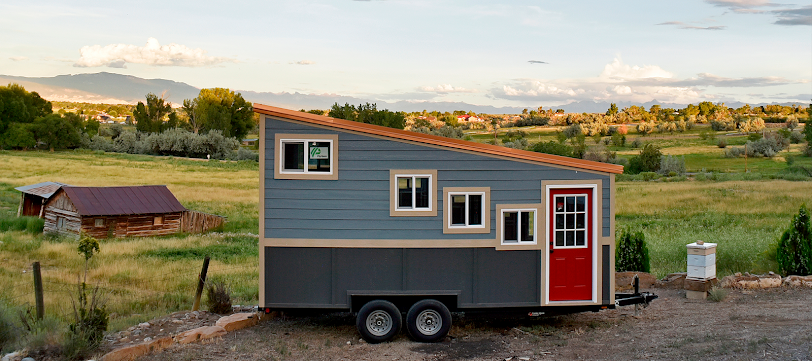
Clearly state the goal of your homemade bike trailer before getting into the components. Do you need to move light objects like tools or groceries? Alternatively, are you seeing something more sturdy, like trailer-built homes for temporary habitation or cross-country hauls? Some even look at choices that fit the simple lifestyle of a legal tiny house, which might affect your attitude to size, architecture, and materials.

Everything from the kind of axle you use to the frame construction and suspension depends on the planned use of the trailer. For example, a trailer designed for light urban chores calls for different materials than one designed to handle tougher terrain and greater loads.


Aluminium: Lightweight with rust resistance

For good reason, aluminum is among the most often used materials in homemade ebike trailers. It's light, corrosion-resistant, and relatively easy to work with. If your main concern is minimizing the added weight to your ebike, aluminum is a top choice.

Aluminium gives trailer-made trailers the benefit of lessening motor and battery load on the bike. E-bikes have less range and power than cars, hence a smaller trailer frame results in more effective travel. Although aluminium is not as strong as steel, if built correctly with reinforced joints and stress dispersion, it can nevertheless manage really heavy weights.

On welding, aluminum is less forgiving, though. For novice DIY builders, it could be difficult since it may need for specific tools and knowledge.


Steel: Cost-effective, sturdy, and durable good

Because of its strength and adaptability, steel stays a mainstay in trailer building. For do-it-yourselfers creating trailer-built vehicles able to haul large loads, steel offers unrivalled longevity. Steel's strength is well worth the additional weight if you want to use your trailer often or in a harsh terrain area.

For hobbyists with rudimentary tools specifically, steel is easier to weld and work with even if it is heavier than aluminum. Furthermore better handling dynamic pressures from uneven terrain and turning is provided by steel frames.

If you go for steel, either powder coating or using stainless versions will help you prevent rust on it. This is particularly important if you live in a humid or coastal area, where corrosion can quickly deteriorate the structure.


Plywood: Budget-Friendly and Easy to Customize

For those focusing on cost-efficiency, plywood is a typical choice for trailer beds and shelters. It’s easy to cut, drill, and mount, making it ideal for DIYers wishing to construct unique compartments or walls. Particularly in the cargo bed, many trailer-built trailers have plywood panels to offer a level and safe platform for goods movement.

Although plywood is not the ideal choice for structural framing, it performs nicely when paired with a steel or aluminium base. It's also a familiar material for those who have worked on legal tiny house projects, as it lends itself well to modularity and easy adjustments.

To avoid water damage, plywood must be sealed correctly though. Its lifetime and protection of your investment can be increased by using marine-grade plywood or sealing with weatherproof coatings.


Modern and inventive composite materials

Advanced do-it-yourself projects include composite materials including carbon fibre or fibreglass more and more. Although more expensive, these materials have great strength-to-weight ratios and resilience to weather and corrosion.

Certain trailer-made vehicles that call for ultra-lightweight constructions or sophisticated aerodynamic forms choose composites. Using composites will greatly improve the performance of your trailer, particularly for long-distance travel, assuming you have the tools or abilities required.

Those investigating alternative living options, such as a legal tiny house, where space-saving, lightweight materials are typically key, may also find these materials interesting.


Sustainable and reasonably priced recycled and upcycled materials

For many builders, particularly those following off-grid or minimalist lives, sustainability is starting to take the front stage. Cost-wise and environmentally, using recycled bike frames, unused scaffolding pipes, or abandoned building materials can help.

This do-it-yourself attitude is quite similar to the ideas behind functional, self-built, and adaptable trailer-produced vehicles. A careful selection of upcycled materials can still provide great structural integrity. With some inventive ingenuity, an old metal bed frame might, for instance, be a robust trailer platform.

Using recycled materials can also provide the project with more ethical sustainability and character for individuals building a trailer with long-term plans like turning it into a base for a legal tiny house.


Often ignored, fasteners, joints, and connectors are always vital.

Fasteners and joints are just as important even if the frame materials get most of the attention. The quality of these connections will either help or destroy your project whether you're riveting, welding, or bolting your trailer together.

Welding provides the most smooth and strong connection for metal frames; if done correctly, bolts and brackets can also be quite successful. Stainless steel screws and strengthened corner joints will help wood components stay from shifting and drooping.


Flooring and Decking Materials: Functional and Weatherproof

In the realm of trailerbuilt trailers, joint stability directly affects ride quality, load control, and safety. By strengthening high-stress areas, you will extend the life of your trailer and guarantee its roadworthiness in different environments.

Materials for flooring and decking: weatherproof and functionally sound

The deck of your bike trailer must survive daily wear and tear, coupled with exposure to the elements. Many builders select treated plywood, composite decking, or aluminium sheets as their flooring choice. These materials strike a nice mix of cost, weight, and durability.

Strong enough flooring should be used for those planning a multipurpose trailer—that is, those turning trailer-made desks into mobile workstations or micro-shelters—to support static weight without bowing or breaking. Selecting UV-resistant and waterproof materials will also help stop over time degradation.

Once again, your flooring decisions will have to be even more strong and comfortable if you're testing a transportable solution that might develop into a legal tiny house design.


Conclusion: Build Smart and Sustainable

Making a DIY bike trailer offers an opportunity to fit your way of life rather than only a mechanical endeavour. The materials you pick will determine your experience whether you're creating a basic freight carrier or a basis for something larger, maybe even a legal tiny house.

Because of their strength and adaptability, steel and aluminium remain the most often used materials for frames. Customizing and flexibility abound in plywood and composite materials. Those looking for reasonably priced, environmentally friendly substitutes find attraction in recycled goods. And every component—from flooring to fasteners—helps to produce a dependable, effective, and unique trailer.

Trailermade trailers convey the attitude of inventiveness and autonomy. Your homemade ebike trailer can be a flexible tool for travel, adventure, or even sustainable living with careful design, appropriate materials, and some ingenuity.


Frequently Asked Questions


1. What is the best material for a lightweight yet durable bike trailer?

Often the best choice for light-weight, rust-resistant construction is aluminium. For most bike trailer usage, it is perfect since it finds a decent mix of weight and durability.

2. Can I use my bike trailer to build a legal tiny house?

Although bike trailers are not widely used for complete tiny house construction, some find use as mobile bases or micro-shelters. Aiming for a legal tiny house, you will have to comply with local zoning, structural, and size rules, which could call for a stronger foundation.

3. Are trailer-built vehicles allowed on public roads?

Your trailer should be road-legal as long as it conforms to local transportation regulations—including width, lighting, and safety elements. To remain compliant, find local rules on the use of bike trailers.

4. A do-it-yourself bike trailer can transport what weight?

This depends on your materials and design. A well-built steel or aluminium frame can handle between 100 to 250 lbs. For trailer-made trailers intended for heavier loads, reinforcements and proper axle systems are essential.

5. Do I need a suspension for my bike trailer?

Suspension isn't mandatory, but it helps when carrying fragile or heavy loads over rough terrain. It also improves overall ride comfort and prolongs the life of your trailer and bike.

What to Expect From Mobile IV Therapy NYC at Home or Office

Picture this: a hectic morning in Manhattan. Meetings back-to-back, emails piling up, and that lingering fatigue from last night’s networkin...